


XB
What are the advantages of using lithium battery packs in drones?
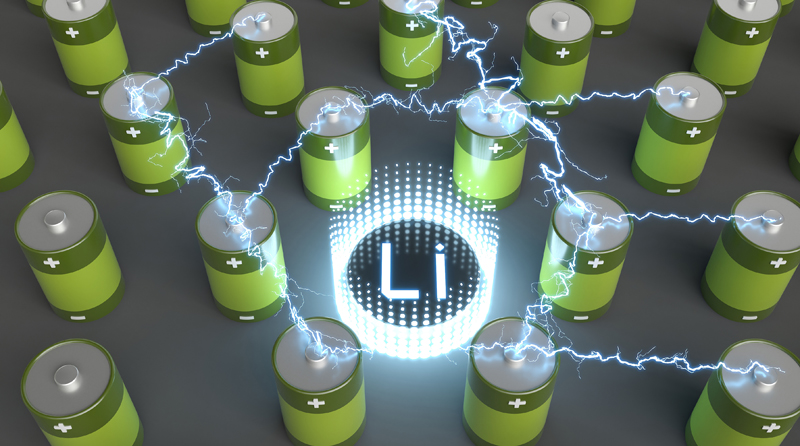
The application of lithium battery packs in drones has significant advantages, which make lithium batteries the energy source of drone power systems. Here are the key advantages of lithium battery packs in drone applications:
1. High energy density
Lithium batteries have a high energy density, which means that lithium batteries can store more electrical energy for the same weight or volume. Weight is a critical factor for drones, as their flight performance and endurance are directly affected by their weight. High-energy-density lithium batteries can provide sufficient power while minimizing the overall weight of the drone, thereby extending flight time and improving flight efficiency.
2. Lightweight design
The lightweight design of lithium batteries is another major advantage of their application in drones. Compared to traditional nickel-cadmium batteries or lead-acid batteries, lithium batteries are lighter in weight at the same capacity. This allows the drone to carry the same energy with a lighter overall weight, which increases flight speed and maneuverability. The lightweight design also helps reduce the energy consumption of drones and further improve endurance.
3. Long cycle life
Lithium batteries have a long cycle life and can usually be charged and discharged hundreds or even thousands of times without significant performance degradation. This is especially important for drones that require frequent use, as long cycle life means lower replacement frequency and lower maintenance costs. In addition, lithium batteries have a low self-discharge rate, which can maintain a high charge even when not in use for a long time, ensuring that the drone is ready to be put into use at any time.
4. Fast charging capability
The lithium battery supports fast charging, which significantly reduces the charging time of the drone. For drones that require frequent missions, fast charging capabilities mean shorter idle times and higher efficiency in use. Fast charging also allows drones to quickly restore power in case of emergencies, ensuring mission continuity and timeliness.
5. High discharge efficiency
Lithium batteries have high discharge efficiency and can release a large amount of electrical energy in a short period of time. This is crucial for drones that require high power output, especially when performing high-speed flights, climbs, or heavily loaded tasks, lithium batteries can provide stable high power output, ensuring the drone's flight performance and mission completion quality.
6. Environmental adaptability
Lithium batteries maintain good performance over a wide temperature range, which allows drones to operate stably under various environmental conditions. Whether in high or low temperature environments, lithium batteries provide reliable electrical support to ensure the flight safety of drones and mission completion. In addition, the structural design of lithium batteries also makes them have good vibration and impact resistance, adapting to the use of drones in complex environments.
7. Environmental friendliness
Lithium batteries have better environmental performance than traditional lead-acid batteries and nickel-cadmium batteries. Lithium batteries do not contain heavy metals and harmful substances, and have a low impact on the environment. In addition, lithium batteries are highly recyclable, and used lithium batteries can be recycled and reused to reduce environmental pollution. This is an important advantage for a modern society that advocates green environmental protection.
8. Intelligent management
Lithium battery packs are usually equipped with an intelligent battery management system (BMS), which can monitor the battery's voltage, current, temperature, and other parameters in real time to ensure that the battery works within a safe range. The BMS can also perform battery balancing, extend the service life of the battery, and prevent the occurrence of dangerous situations such as overcharging, over-discharging, and short circuits. The application of intelligent management systems improves the safety and reliability of lithium battery packs and provides a guarantee for the stable operation of drones.
9. Flexible configuration
Lithium battery packs can be flexibly configured according to the specific needs of the drone, including capacity, voltage, shape, etc. This flexibility allows lithium batteries to adapt to different types and uses of drones, whether small consumer drones or large industrial drones, lithium batteries can provide suitable solutions. Flexible configuration also allows drones to have greater freedom in design and can be optimized according to mission needs.
10. Economy
Although the initial cost of lithium batteries is relatively high, the economy of lithium batteries is more significant in the long run. Long cycle life, low maintenance costs, and efficient energy utilization contribute to a low total cost of lithium batteries throughout their lifecycle. For drones that require long-term use, the economics of lithium batteries are an important consideration.
Conclusion
In summary, the application of lithium battery packs in drones offers many advantages, including high energy density, lightweight design, long cycle life, fast charging capabilities, high discharge efficiency, environmental adaptability, environmental protection, intelligent management, flexible configuration, and economy. These advantages make lithium batteries an ideal choice for UAV power systems, which not only improve the flight performance and mission completion ability of UAVs, but also reduce the cost of use and maintenance. With the continuous development of drone technology, the application prospects of lithium battery packs in drones will be broader.
NAVIGATION
Send Us A Message
Please give us a message