


XB
Will polymer battery packs become the mainstream energy solution in the future?
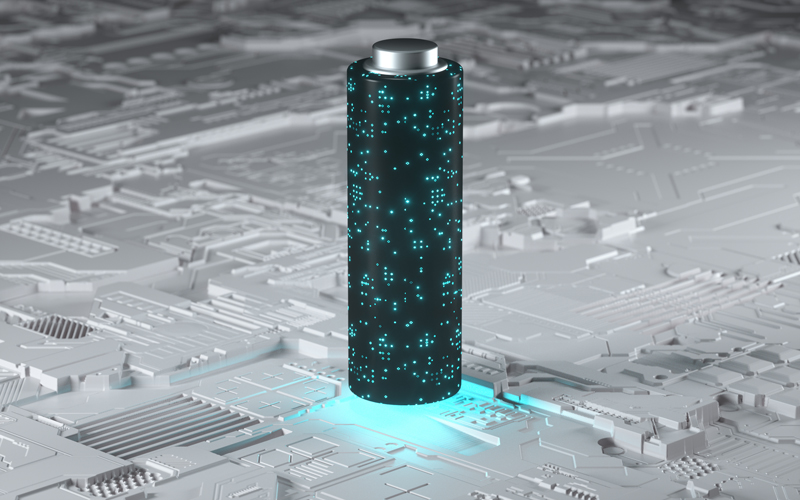
Currently, polymer battery packs exhibit some remarkable advantages. They possess good plasticity, allowing them to adapt to the requirements of devices of various shapes and sizes, which is crucial for electronic devices that pursue slimness and miniaturization. For example, future innovative products such as wearable devices and foldable smartphones may achieve better designs due to this characteristic of polymer battery packs.
Moreover, polymer battery packs perform relatively well in terms of safety. Solid-state or gel electrolytes reduce the risk of leakage and combustion, which is a significant advantage in the field of energy storage. As people's demands for safety performance increase, this may encourage more manufacturers to choose polymer battery packs.
However, the challenges they face cannot be ignored. On one hand, the current cost of polymer battery packs is relatively high, limiting their widespread adoption in large-scale applications. On the other hand, although there is room for improvement in their energy density, in the short term, it may still be insufficient to fully meet the long battery life requirements of certain high-energy-consuming devices.
From a market trend perspective, with continuous technological advancements and gradually decreasing costs, the application range of polymer battery packs is expanding. However, to become a mainstream energy solution, greater breakthroughs are needed in terms of performance, cost, and production processes.
At the same time, other types of battery technologies, such as lithium-ion batteries, are also continuously developing and improving, and competition remains fierce. The future energy market is likely to see the coexistence of multiple battery technologies, each playing to its strengths in different areas.
In summary, polymer battery packs have the potential to become a mainstream energy solution, but they still need to overcome a series of obstacles and continuously innovate and develop to compete with other battery technologies.
NAVIGATION
Send Us A Message
Please give us a message